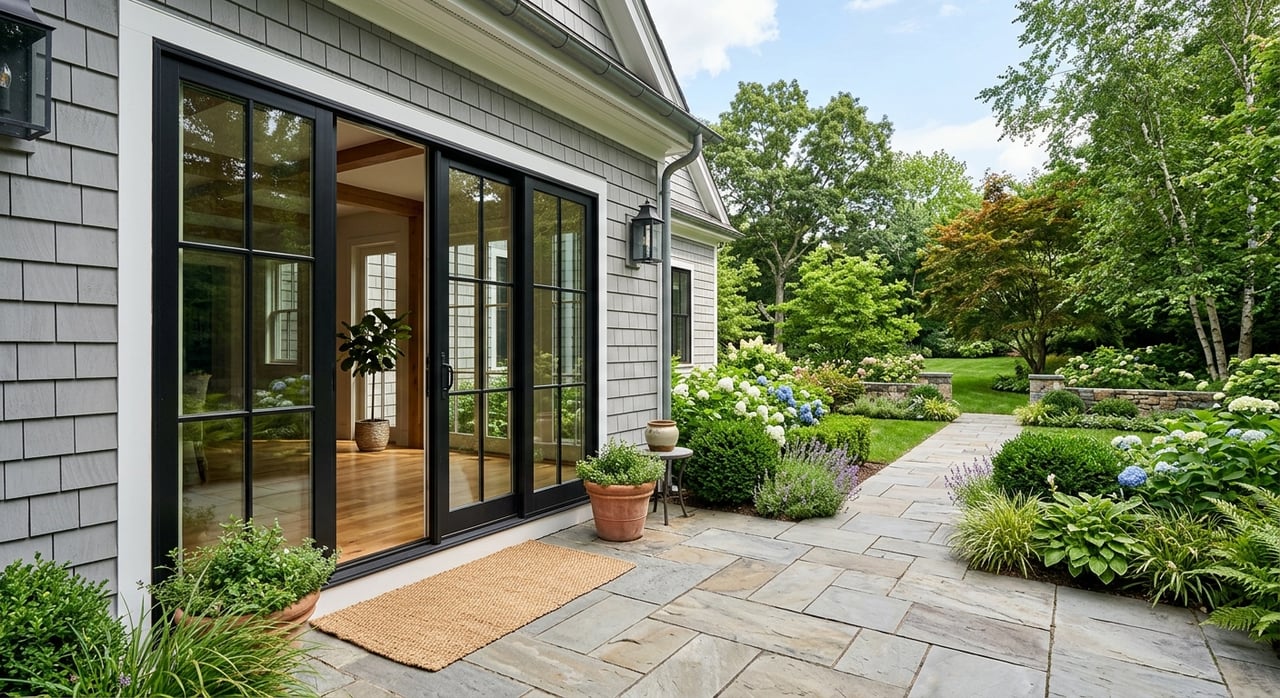
Wondering how to price your White Plains home without leaving money on the table or scaring buyers away? You are not alone. In a market that moves quickly but varies sharply from one part of the city to another, the right price is less about guessing a big number and more about reading the market with precision. This guide will help you understand what today’s White Plains market is doing, how smart pricing works, and what can improve your result. Let’s dive in.
White Plains Pricing Starts Local
If you have seen different home value numbers for White Plains, that is normal. Recent market reports show a wide range in median sale prices, with Redfin reporting $493,245 for the three months ending April 2026 and Realtor.com reporting a median sold price of $672,000 for April 2026. Those figures are best viewed as a range, not a single answer for every home.
That matters because White Plains is not one uniform market. Realtor.com neighborhood data shows median listing prices running from about $265,000 in Eastview to about $814,950 in Highlands. Days on market also vary, from 15 days in Battle Hill to 64 days in North White Plains.
For you as a seller, that means citywide averages can only tell part of the story. The most useful pricing strategy usually comes from the closest comparable sales, the current competition nearby, and how your home stacks up in condition and features.
What Today’s White Plains Market Looks Like
The current market still gives sellers a solid opportunity, but buyers are paying attention. Realtor.com described White Plains as a seller’s market in March 2026, with 154 homes for sale, a median 34 days on market, and a sale-to-list ratio of 100%.
Redfin also describes White Plains as very competitive. Its data shows homes receiving about five offers on average and selling in about 33 days, with average homes selling about 3% above list price and going pending in around 27 days.
The wider Westchester County market is also tight. Redfin reports a county median sale price of $730,959 for the three months ending April 2026, median days on market of 30, a sale-to-list ratio of 103%, and half of homes selling above list price.
What does that mean for your listing? Buyers are still active, but they are not ignoring price. In a competitive market, a well-priced home can attract strong interest quickly, while an overpriced home can lose momentum fast.
Why Accurate Pricing Matters More Than Ever
Mortgage rates remain an important part of the pricing conversation. Freddie Mac reported the average 30-year fixed mortgage rate at 6.48% as of June 4, 2026. Even though that was slightly down from the week before, buyers are still dealing with monthly payments that can feel expensive.
That makes pricing more sensitive than many sellers expect. A home that feels just a little too high may get skipped by buyers who are already stretching their budgets. A home priced in line with the market is more likely to get tours, offers, and stronger overall engagement.
In other words, today’s market rewards realism. Buyers may compete, but they still compare your home carefully against nearby options.
How a Smart Pricing Strategy Is Built
A strong list price usually comes from a full review of your home and the market around it. Industry pricing guidance points to several factors that shape a recommendation, including your home’s size, location, condition, amenities, upgrades, needed repairs, nearby sold homes, active competition, and any concessions in recent deals.
Your timeline matters too. If you want to move quickly, a more competitive price may be the best fit. If you have more flexibility, you may choose to test a higher number, but that decision should still be grounded in what buyers are actually paying nearby.
You also have the final say on the asking price. Still, the best outcomes often come when pricing is treated as a strategy decision, not just a wish list.
The Most Important Comparables
Not all comps carry the same weight. In White Plains, the strongest comparables are usually recent closed sales near your home, followed by pending listings and active competition.
Closed sales show what buyers were truly willing to pay. Pending listings can hint at current demand. Active listings show what buyers will compare your home against the moment it hits the market.
Because pricing and turnover vary so much across White Plains, nearby and similar homes usually matter more than broad city medians. That is especially true for condos, co-ops, townhomes, and single-family homes, where pricing can move differently even within the same ZIP code.
Condition Changes the Number
Two homes with similar layouts can still have very different pricing power. Updates, maintenance, presentation, and overall appeal can all affect what buyers are willing to offer.
That is one reason pricing should reflect your home as it exists today, not only what you hoped it would be worth after improvements. If your home is more updated or better presented than nearby competition, that can support a stronger strategy. If it needs work, pricing may need to reflect that reality up front.
Aggressive Pricing vs Market-Aligned Pricing
Many sellers ask the same question: should you price high to leave room for negotiation, or price at market value to create more activity? The answer depends on your home, your competition, and your goals.
Market-aligned pricing often works well when you want strong early traffic and the best chance at competing offers. In White Plains, where many homes are still moving near asking price and some are going above it, that approach can help create urgency.
Aggressive pricing can work in some cases. If your home is unusually updated, in short supply, or clearly stands out from nearby alternatives, a higher ask may be reasonable. But if buyers do not see a clear reason for the premium, the listing can sit longer and lose leverage.
Local sales show how wide outcomes can be. Redfin reports one White Plains home sold 19% over list after 78 days, while another sold 3% under list after 219 days. That spread is a reminder that price, condition, and marketability all shape the result.
When Conservative Pricing Makes Sense
A more competitive list price may be worth considering if:
- You want to sell on a faster timeline
- Your home has a lot of nearby competition
- Buyer affordability is a concern in your price range
- The home needs cosmetic updates or repairs
- You want to maximize early interest
When a Higher Ask May Be Reasonable
A stronger opening price may make sense if:
- Your home has meaningful updates buyers can see right away
- Inventory similar to your home is limited
- Your location and features stand out in the local comp set
- You are willing to adjust if the market response is soft
The key is to choose intentionally. Pricing high without a clear market reason is usually riskier than sellers expect.
Presentation Still Impacts Price
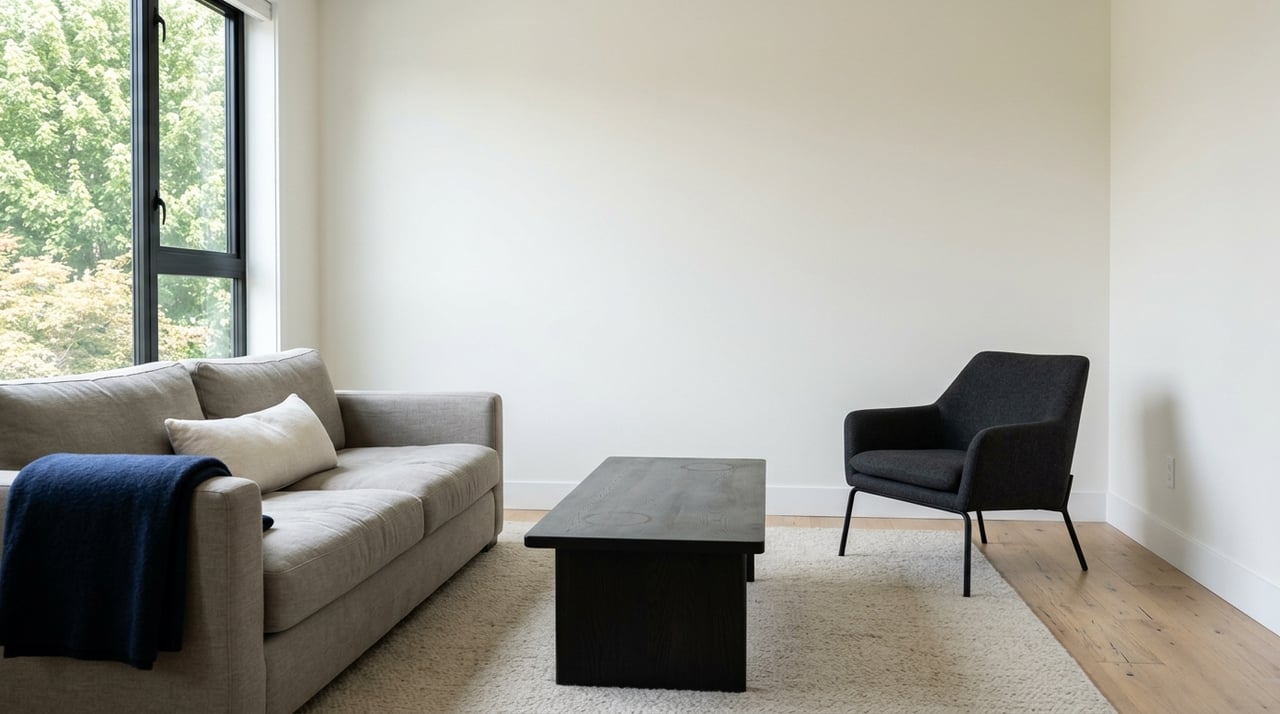
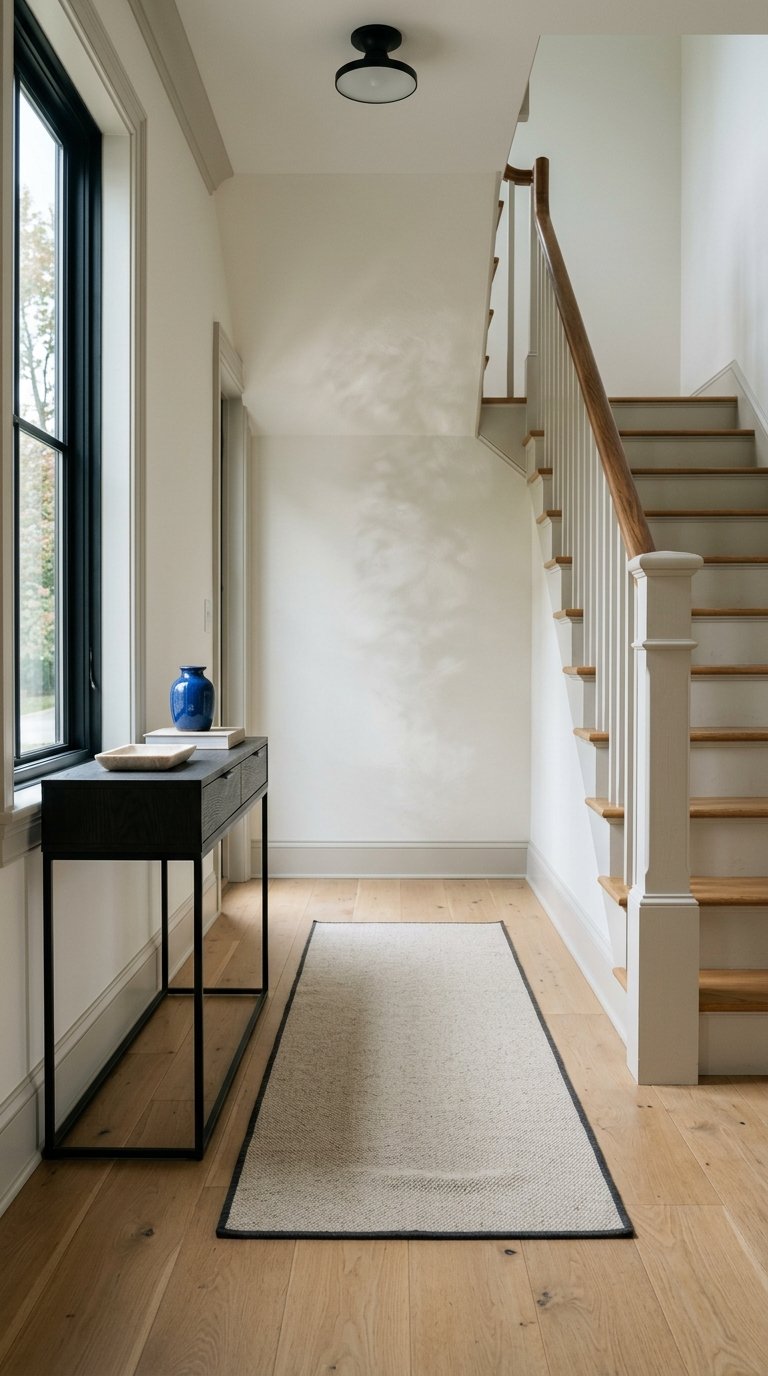
Even in a competitive market, presentation matters. NAR’s 2025 staging report found that 29% of agents said staging increased the dollar value offered by 1% to 10%, and 49% said staging reduced time on market.
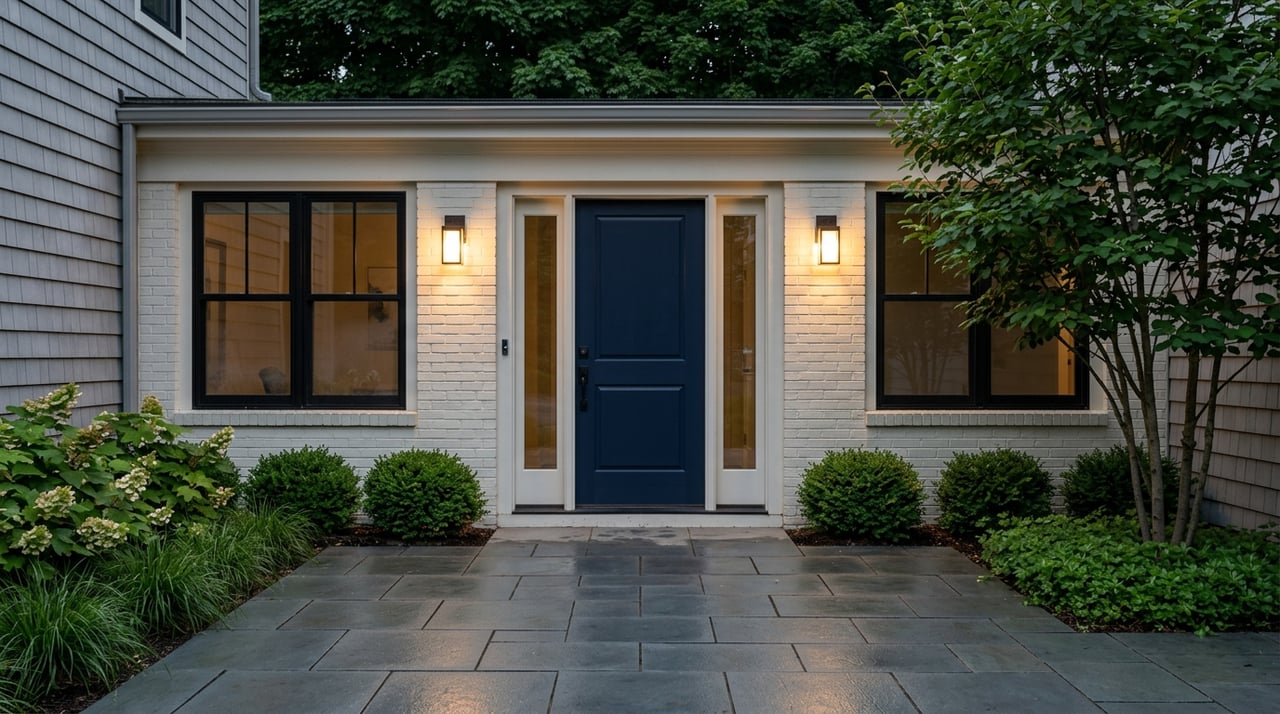
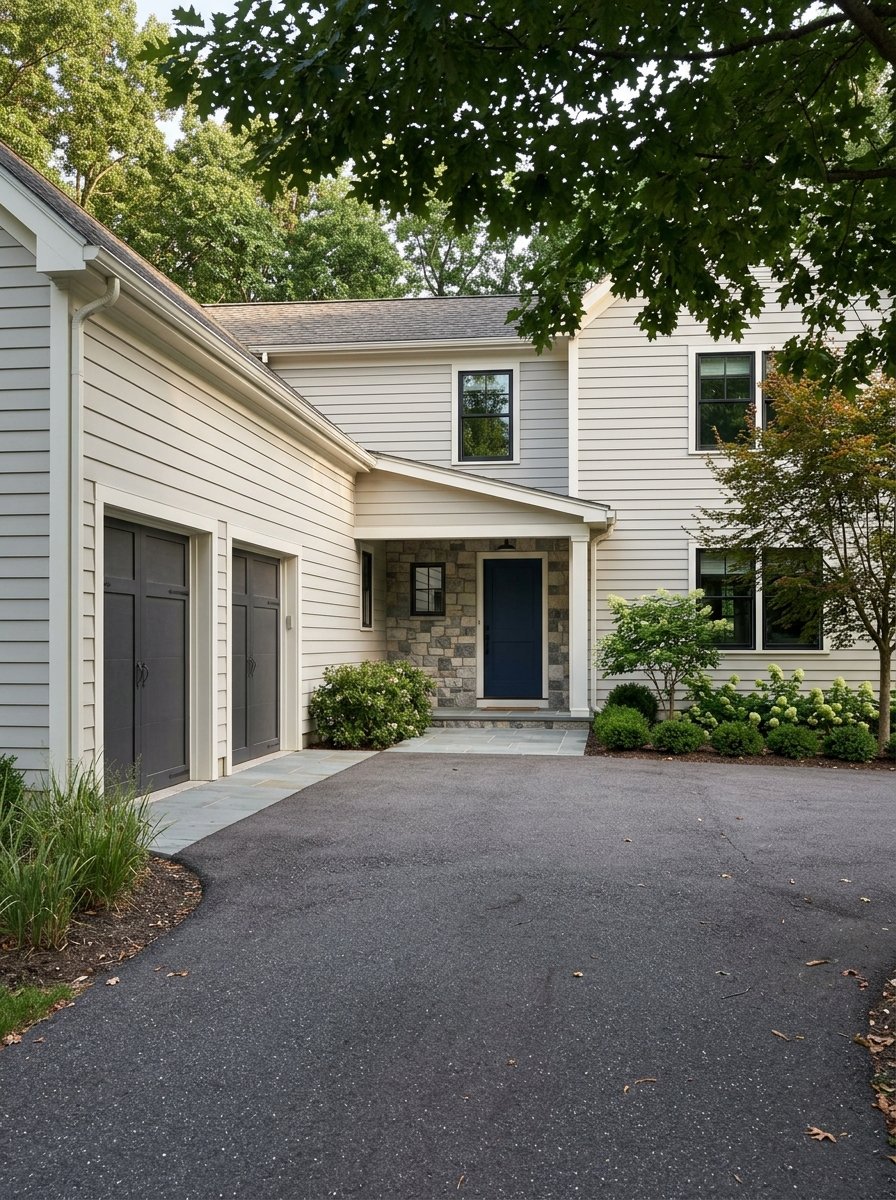
The most common prep recommendations were simple and practical. Decluttering, cleaning, and improving curb appeal were the most frequently suggested steps.
Those details can have a real effect because buyers often make fast decisions based on how a home looks online and in person. The same NAR report says buyers’ agents view photos, staging, video, and virtual tours as important tools because they help buyers picture the home.
Prep Steps That Support Pricing
Before your home goes live, it helps to focus on the basics that support a strong first impression:
- Declutter surfaces, closets, and storage areas
- Deep clean key rooms and high-traffic spaces
- Improve curb appeal with simple exterior touch-ups
- Address small repairs that may distract buyers
- Make sure photos reflect the home at its best
Good preparation does not replace pricing strategy. It strengthens it. When your home looks move-in ready and priced appropriately, buyers are more likely to act.
Watch the Market After You List
Pricing does not end the day your home hits the market. Once your listing is active, the market starts giving feedback.
If showings are light or offers are not coming in, that may be a sign the pricing is not lining up with buyer expectations. Industry guidance supports price adjustments when market conditions call for them, and in many cases a timely adjustment is more effective than simply waiting.
The first few weeks are especially important. That is often when your listing gets the most attention, so pricing correctly from the start can help you avoid missing your strongest window.
The Best Offer Is Not Always the Highest
Pricing well can attract multiple offers, but evaluating them takes more than comparing the top number. Industry guidance notes that the highest offer is not always the best one.
Terms matter. Cash, contingencies, timing, and overall deal strength can affect how secure and smooth the sale will be.
That is why a pricing strategy should also prepare you for the review stage. The goal is not only to generate interest, but to create the best overall path to a successful closing.
Pricing Your White Plains Home With Confidence
If you are preparing to sell in White Plains, the best pricing strategy is usually the one built around your specific home, your immediate competition, and your timeline. Broad market headlines are helpful, but they are not enough on their own in a city where values and pace can vary so much by area and property type.
With the right pricing, thoughtful preparation, and a clear read on buyer behavior, you can put your home in a strong position from day one. If you want a local, data-driven strategy for your sale, connect with Jason Schmeltzer for personalized guidance.
FAQs
How should you price a home in White Plains today?
- The best approach is usually to price your White Plains home using recent nearby sold homes, current competing listings, your home’s condition, and your timeline rather than relying on a citywide average alone.
Is White Plains a seller’s market right now?
- Yes. Realtor.com described White Plains as a seller’s market in March 2026, and local data shows homes are still moving relatively quickly with strong sale-to-list performance.
How fast are homes selling in White Plains?
- Recent reports put White Plains homes at roughly 33 to 34 days on market on average, though timing can vary by neighborhood and property type.
Should you price your White Plains home above market value?
- Pricing above market can work in some cases if your home clearly stands out, but it carries more risk if buyers do not see enough value compared with nearby alternatives.
What if your White Plains home is not getting showings?
- If your home is not attracting tours or offers, a price adjustment may be more effective than waiting, especially during the early weeks of the listing.
Does staging help when selling a home in White Plains?
- It can. NAR’s 2025 staging report found that staging may help increase offer value and reduce time on market, especially when paired with decluttering, cleaning, and strong visuals.